Sabentis at Lean ORP 2025 in Madrid: AI, Data, and Biomechanics for Proactive Prevention
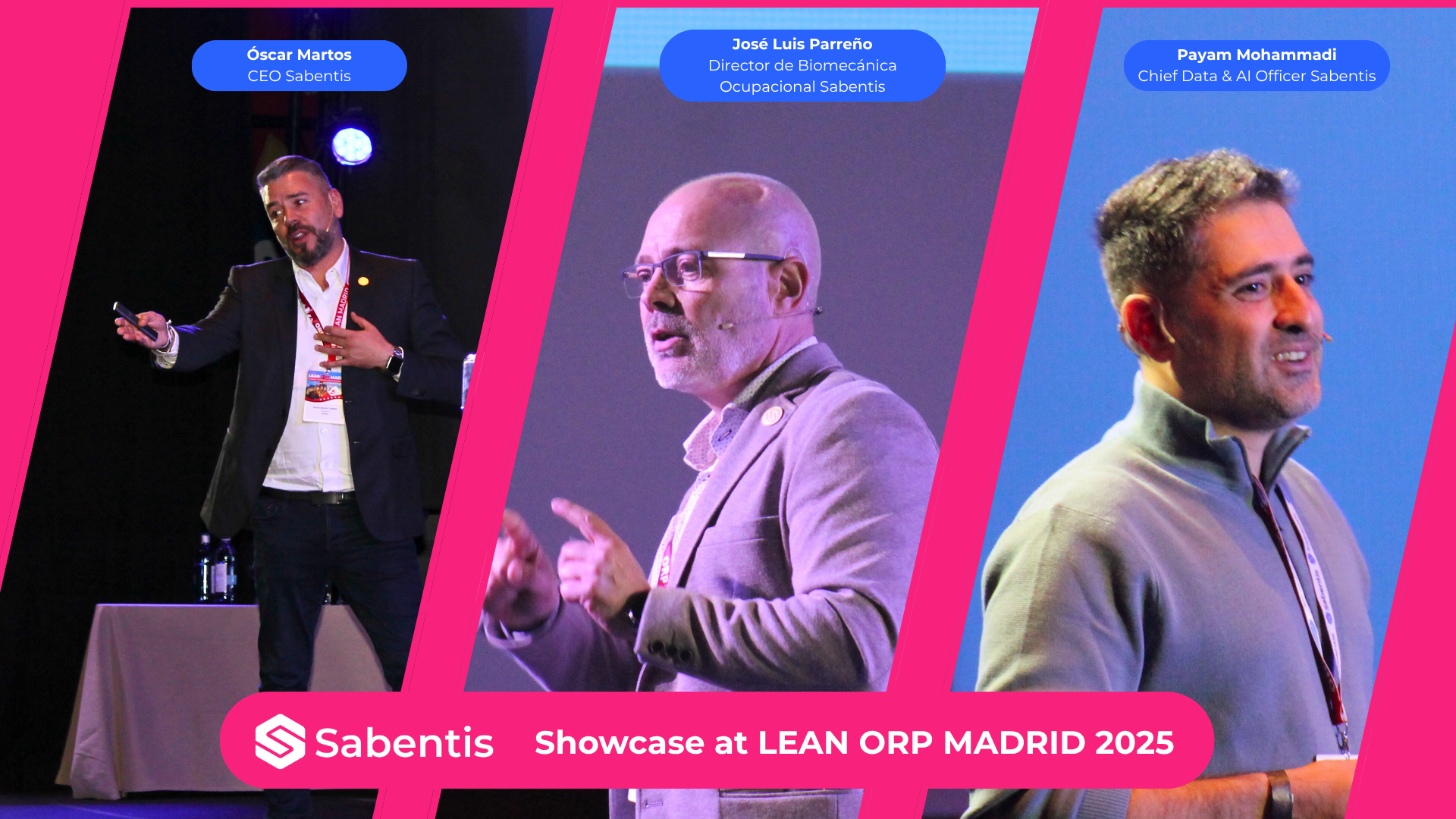
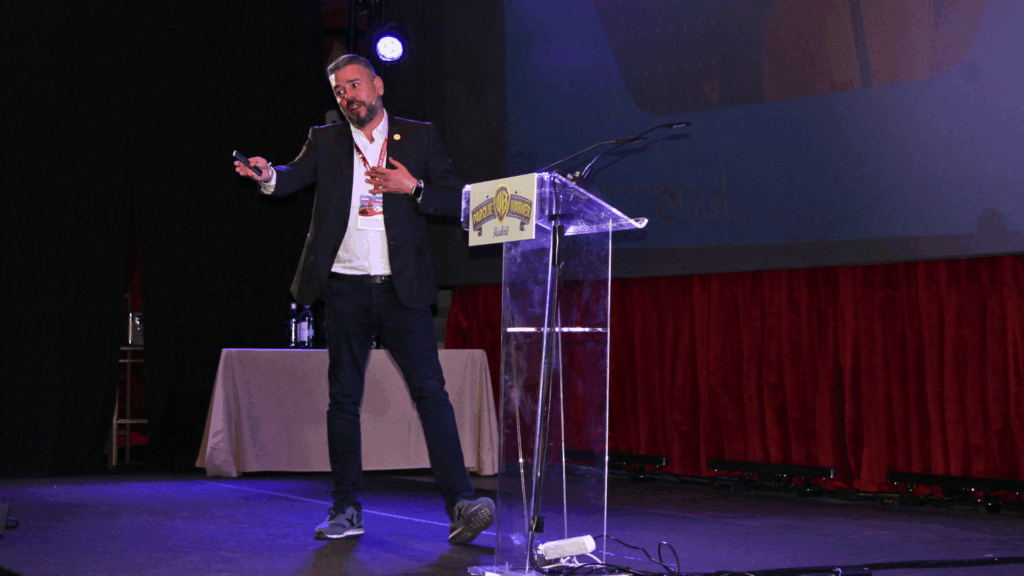
The Lean ORP Congress in Madrid was an exceptional event that brought together leading professionals in occupational safety and health (OSH) to discuss the future of workplace risk prevention. At Sabentis, we were proud to participate, showcasing the power of Artificial Intelligence (AI), data science, and biomechanics as transformative tools in risk prevention.
A New Era in Prevention: Innovate and create
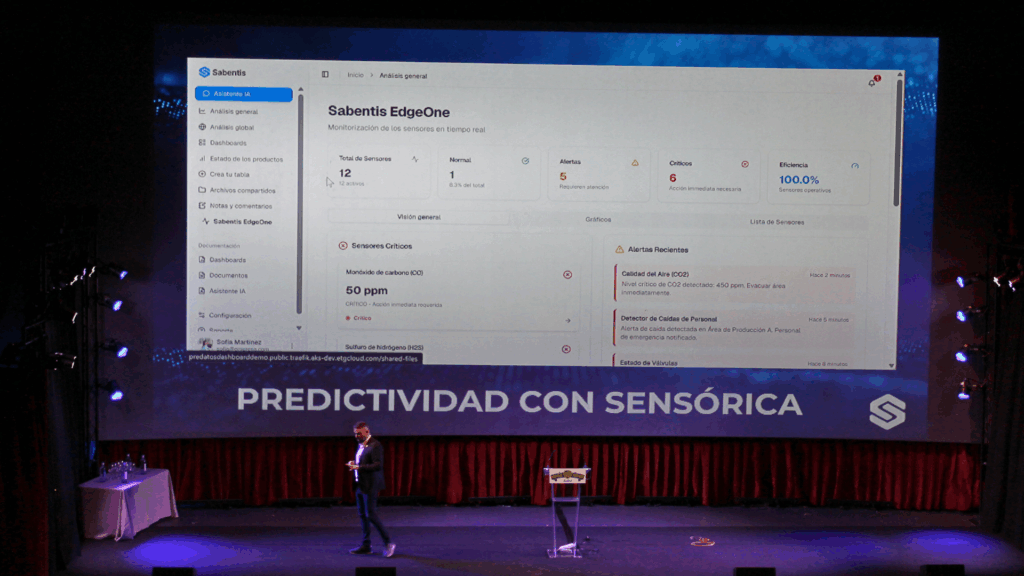
n traditional occupational health and safety models, risk prevention typically responds to incidents after they occur. However, the Lean ORP 2025 Congress presented a shift in the paradigm, focusing on proactive prevention. The central idea was clear: the future of workplace safety lies in anticipating risks before they materialize. By leveraging AI algorithms and real-time data monitoring, businesses can predict potential hazards and intervene ahead of time to prevent incidents.
The Role of Biomechanics: A Human-Centered Approach to Safety
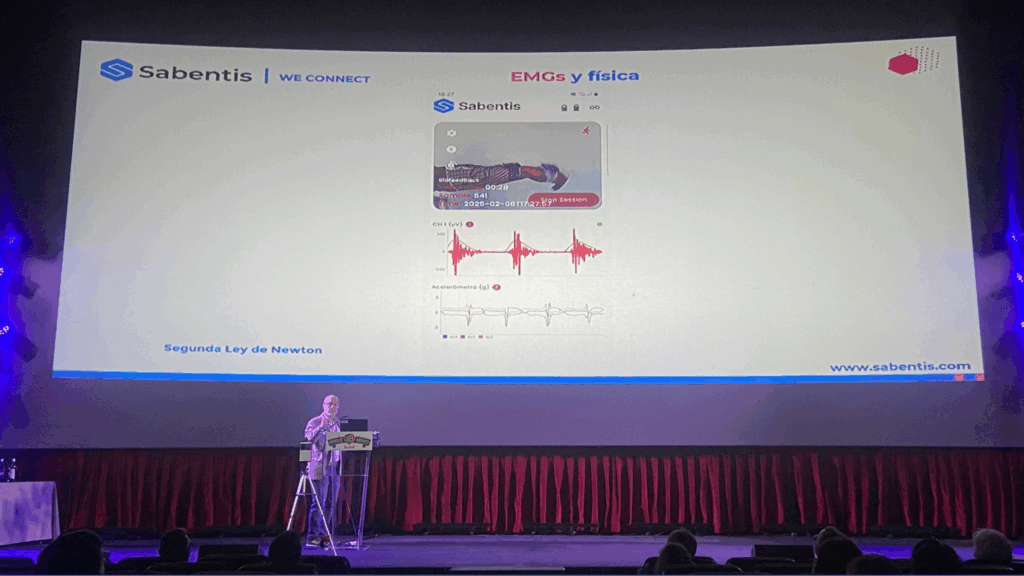
Biomechanics was another key topic discussed at the event. This science focuses on analyzing human movement and how our body interacts with the physical environment. By applying biomechanics to the design of workspaces, tasks, and machinery, it’s possible to reduce the strain on workers’ bodies, preventing musculoskeletal disorders and other injuries. This connects directly to the role of workplace ergonomics in preventing musculoskeletal disorders.
The integration of biomechanics into occupational safety strategies allows for the creation of environments where workers’ well-being is prioritized. Ergonomic interventions, based on biomechanical principles, are essential in improving both physical health and productivity.
Artificial Intelligence and Data Science: A New Frontier
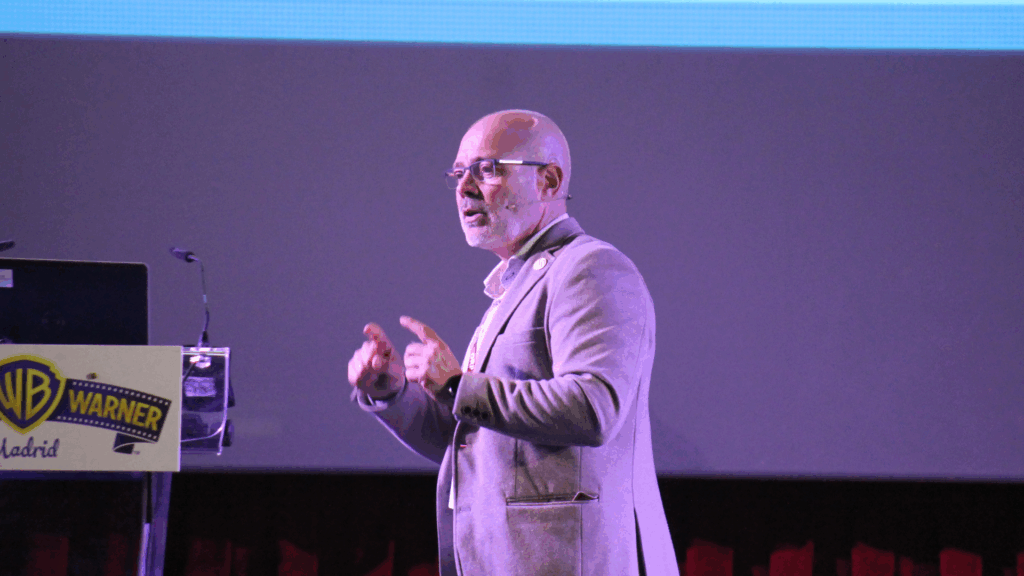
Artificial intelligence (AI) and data analytics were the stars of the show at the Lean ORP Congress. With AI, businesses can now gather data from various sources, including sensors, wearables, and real-time monitoring systems, to gain a deeper understanding of potential safety risks. By processing this data, AI systems can recognize patterns and predict unsafe conditions, allowing organizations to address problems before they escalate into accidents or health issues. These advances reflect how artificial intelligence is reshaping risk prevention.
The ability to integrate data from multiple sources not only enhances the accuracy of risk prediction but also allows for the creation of highly tailored safety protocols that respond to the unique needs of each workplace.
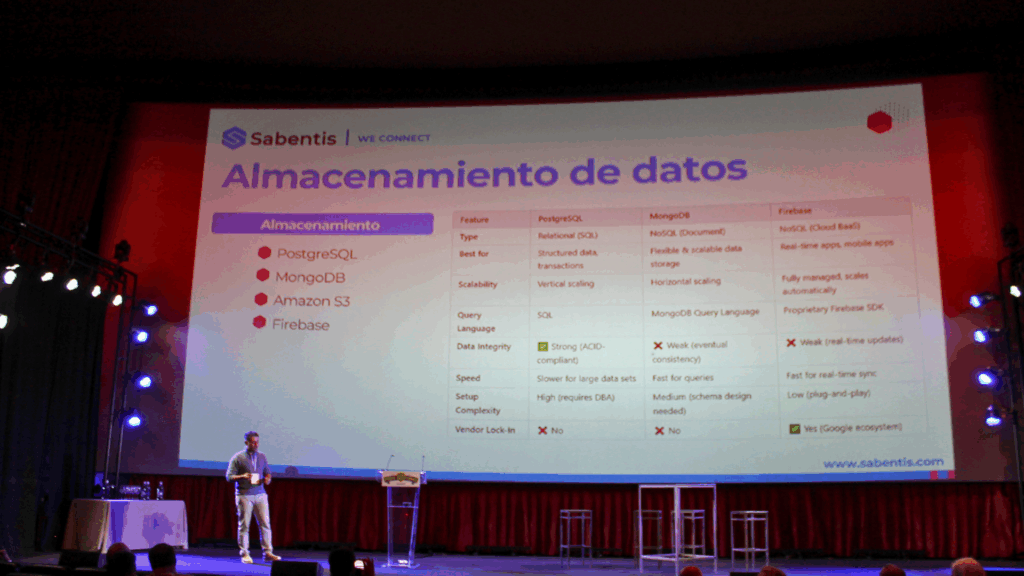
Digital Transformation in risk prevention at work: opinions from seasoned experts
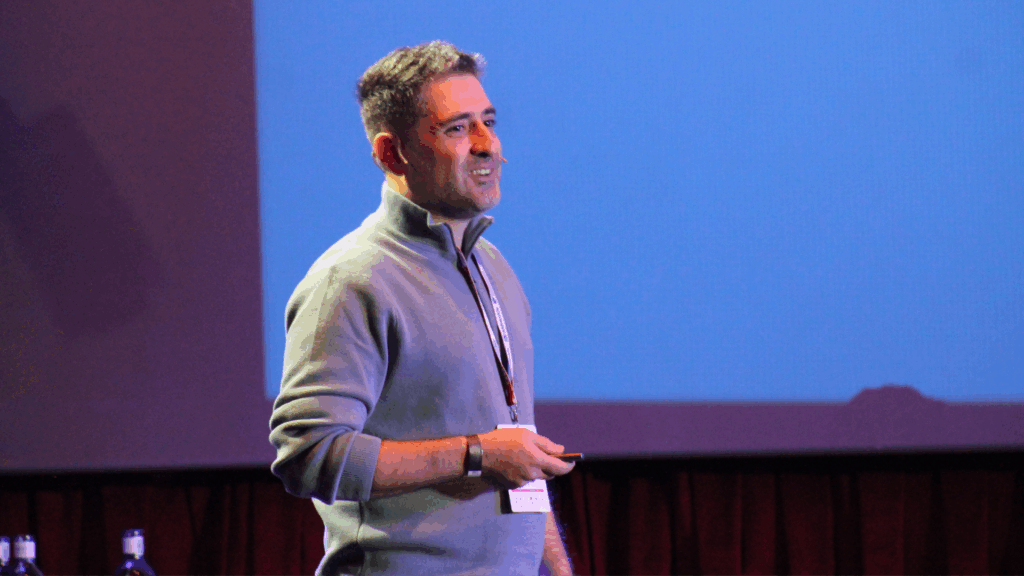
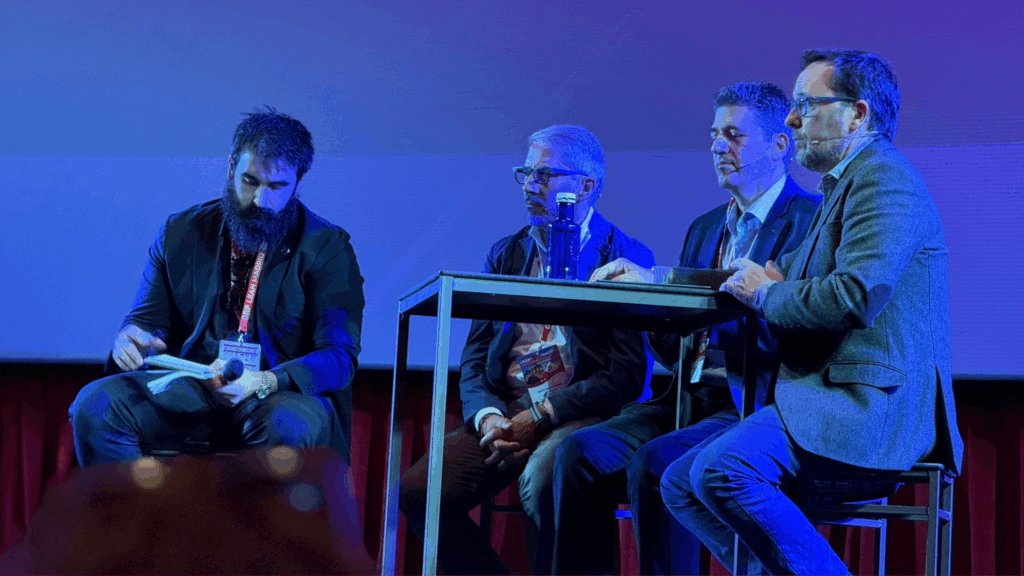
During the debate panel titled “Digitalization of OSH in Companies,” moderated by Sabentis CFO Pablo R. Nieto, key topics on the integration of technology in occupational safety and health were discussed. We had the participation of Luis F. Braña, Occupational Safety Manager at Mahou San Miguel; Antonio Vega, Occupational Safety, Health, and Well-being Manager at Alsea (representing brands such as Domino’s Pizza, Burger King, Popeyes, Starbucks, Gino’s, Vips, and more); and Andrés Pedreira Ferreiro, Director of Pixeling S.L.S.L., who shared their extensive knowledge on best practices and advancements in the digitalization of OSH processes. The discussion echoed the broader push to digitalise OSH with the right occupational risk prevention software.
Looking Ahead: The future is bright for Sabentis
The Lean ORP 2025 Congress confirmed that the future of risk prevention is not about waiting for incidents to occur, but about anticipating them. By embracing innovation in AI, data analytics, and biomechanics, companies can take a giant leap forward in creating safer and healthier work environments. This transformative approach is not only about preventing accidents but also about fostering a culture of care, where employee health and safety are constantly monitored and improved.